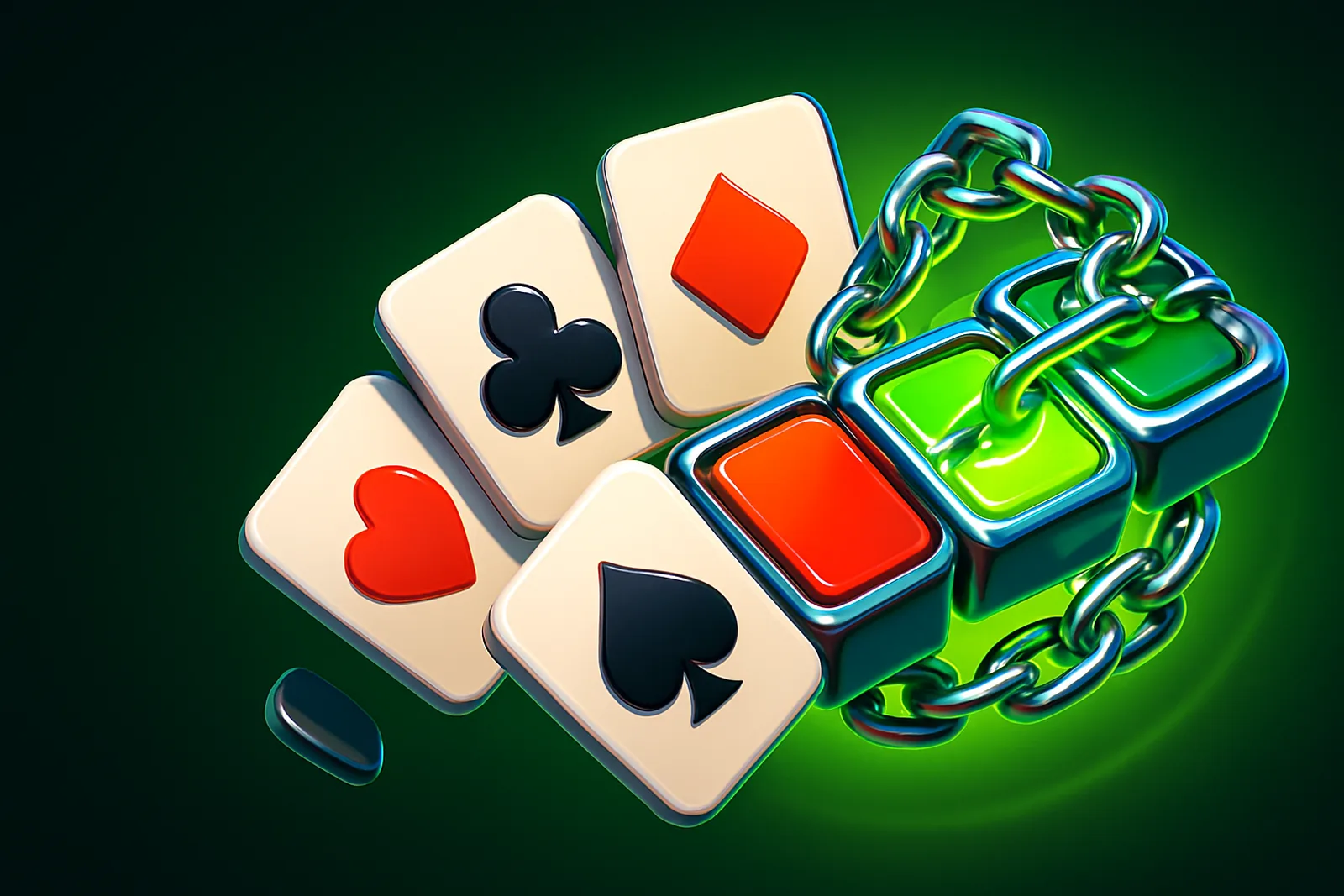
On the next guess, choose the legal word that splits the largest live answer family, not the word that feels most informative in normal Wordle. In Wordle Hard Mode, information only counts if you can still act on it afterwards.
You already know the constraint: every revealed hint must be carried forward. The useful question is smaller and harsher. Which legal guess gives you the best next legal guess? A strong Wordle Hard Mode strategy treats each turn as a branching problem. Green letters are fixed. Yellow letters must be placed somewhere useful. Grey letters are dead unless a repeat is still possible.
The evidence for one perfect opener is thin, and most opener debates matter less than players think. Hard mode losses usually come later, when you have four letters fixed and five possible first letters left. These Wordle Hard Mode tips are built for that point: the tight board, the awkward blank, the tempting near-answer, and the moment where a clever-looking guess quietly removes your room to move.
What should you do on the very next guess when hard mode gets tight?
Choose the legal word that leaves the smallest worst-case pile of answers. First, write the live answers you can honestly see. If there are fewer than you thought, play the answer that fits best. This is wrong when you are forcing a favourite word and have ignored another ordinary fit; the reason for writing them down is to stop that.
Second, group those answers by the blank that matters most. If the pattern is ?IGHT, the first letter is the whole fight. If the pattern has two blanks, such as ?A?ER, sort by the blank with the most alternatives. Pick a legal guess that cuts the largest group. This is wrong when there is only one live answer, because splitting nothing is theatre.
Third, prefer a guess that settles position over a guess that merely confirms presence. A yellow letter moved to a possible slot can turn several words into one. The reason is simple: hard mode already forces the letter to appear, so repeated confirmation is cheap. This is wrong when the letter has only one possible slot and the real doubt is a fresh consonant or a repeated letter.
Fourth, ask what happens if the result is bad. If your next position would be a forced family with too many starters, do not choose that road unless you have enough guesses left to walk it. This is wrong when the current word is the only plausible answer. Take the win. Cowardice also loses games.
Which guesses earn their place, and which ones waste a turn?
- Earns its place: a legal guess that gives different feedback for the main candidates. If CHART and CHARM both fit, the final letter must be tested. The reason is that one square can decide the game. It is wrong when a more dangerous family sits elsewhere on the board.
- Earns its place: a word that moves a yellow letter into its most likely remaining slot while testing a new blank. You get two jobs from one turn. It is wrong when that yellow letter can go in only one place; then the move is no better than obeying a rule you already know.
- Earns its place: a guess that checks a plausible double letter before the board is full. Repeats are easy to miss because players worship new letters. It is wrong when the candidate words you can see have no natural repeat and the unsolved slot has several live consonants.
- Wastes a turn: a near-answer that changes nothing except one blank that does not split the live answers. The reason is that hard mode may then force you through the same narrow gate again. It is wrong to call it waste if you have enough turns and that blank is the only unresolved issue.
- Wastes a turn: a word chosen because it looks neat. Neat is not a test. A guess must separate answers, place a yellow, or expose a repeat. This rule is wrong on an early loose board, where broad coverage can still be the correct work.
What should you do with repeated letters, blanks, and awkward endings?
- Check whether a repeated letter is possible before spending a new one. If the board shows one E and the pattern has two natural vowel slots, a second E may explain the silence. The reason is that hard mode can hide repeats behind ordinary-looking feedback. It is wrong when the known letter count already rules the repeat out.
- Treat a blank as a position, not a hole. List which letters can legally sit there. A blank after ST has different candidates from a blank before ST. The reason is that word shape cuts faster than alphabet scanning. It is wrong when you have too few confirmed letters to make position meaningful.
- Attack awkward endings before they harden. Endings like ?OUND and ?IGHT can leave several starters and no graceful test. The reason is that each later guess may test only one starter. It is wrong when the ending itself is still uncertain and another guess can test the ending plus a blank.
- Do not fill the easiest blank first unless it splits the field. An obvious final S may feel satisfying, but it can waste a turn if the middle letter is the real fork. The reason is that solved-looking patterns can still contain traps. It is wrong when that easy blank is the only thing separating two candidates.
- Use vowels to decide structure, then stop worshipping them. Once the vowel pattern is clear, consonants usually do the deciding. The reason is that many tight boards share the same vowel frame. It is wrong when the remaining words differ mainly by a second vowel or by vowel order.
When is it right to break your own pattern and guess something odd?
Break pattern only when the odd word is legal, purposeful, and safer than the tidy word. Odd does not mean random. It means the guess looks less like the answer but does more work than the answer-shaped option.
| Trigger | Odd move | Reason | Wrong when |
|---|---|---|---|
| Several candidates share the same ending | Choose a legal word that tests the most dangerous starter | It prevents a one-letter-at-a-time finish | Only one starter remains possible |
| A repeat would explain the board | Play the repeated-letter word before a fresh-letter word | It can confirm both count and position | The repeat is unnatural in every live candidate |
| A yellow letter has two homes | Put it in the slot that also tests another blank | One guess answers two questions | The other slot creates a much larger split |
| Your favourite answer leaves a huge miss | Play the dull splitter instead | A miss still leaves a playable next turn | The favourite is the only word that fits all evidence |
The clean test is this: after imagining the worst feedback, would you still know what to do? If yes, the odd guess has earned its place. If no, it is decoration.
How do you stop hard mode from trapping you in a dead end?
Look for trap families before you complete them. A trap family is a group of answers that differ by one letter while all the other letters are fixed. The reason this matters in Wordle Hard Mode is brutal: once the shared letters are green, every later guess must keep them, so you may be testing one candidate per turn. This warning is wrong when the family has already shrunk to one or two words and you have the turns to finish.
Before you enter a likely trap, count your remaining guesses against the number of live alternatives. If the alternatives outnumber the turns, choose a legal splitter now rather than the prettiest near-answer. The reason is that the splitter may remove several futures at once. It is wrong when the splitter cannot actually distinguish the alternatives; then it only feels clever.
Do not over-protect greens at the expense of yellows. A green letter is useful because it reduces space, but a yellow letter placed well can kill more candidates. The reason is that hard mode rewards position, not comfort. This is wrong when moving the yellow creates a word that tests no live answer you believe in.
Keep a small written candidate list once the board tightens. Memory cheats. It favours the word you saw first. The list is wrong only when you let it become a delay tactic and stop making the most decidable move.
Frequently asked questions
Yes. A fixed starter gives you a stable opening and makes your later decisions easier to judge. The danger is not the starter; it is playing the second word on habit. Once hard mode has given you a green or yellow letter, the puzzle has changed. Your next word must serve that board, not your routine.
2 things matter most: obey the clues you already have, and cut down the largest group of possible answers. If your opener gives you one yellow vowel and nothing else, the second guess should move that vowel and test common consonants. If you already have a strong frame, use the turn to separate close answers rather than gather random letters.
The common misconception is that green letters make the rest straightforward. The correction is harsher: greens can create a cage. Three fixed letters may leave several endings, and hard mode may stop you testing them freely. Treat a green-heavy board as a sorting problem. Ask which remaining letters distinguish the answers that still fit.
A concrete position: you have _IGHT with six guesses in total and several words still plausible. If you guess LIGHT and it is wrong, you may still have FIGHT, MIGHT, NIGHT, RIGHT and SIGHT-like choices depending on what has been ruled out. The useful move is not the prettiest word. It is the legal word that tests the most remaining first letters.
It depends on legality: the guess must still use every hard-mode clue already shown. A word can be useful even if you doubt it is the solution, provided it tests letters that split the remaining answers. What you cannot do is abandon a green square or ignore a required yellow just to sample five fresh letters.
Compared with Dordle, Wordle Hard Mode is narrower but less forgiving in a specific way. Dordle asks you to manage two boards at once. Wordle Hard Mode asks you to live with every clue on one board. The pressure is different: fewer moving parts, but less room to spend a guess purely on information.
Use the clue that splits the most live answers. The exception is a late board where one consonant decides the whole puzzle and every other uncertainty has already gone. Early on, a one-letter test is usually too small. By guess five, it may be exactly the disciplined move, because a clever-looking alternative can still leave two answers.
Most people do the same thing wrong: they celebrate the frame and stop counting alternatives. Three greens can leave a family of words with one or two changing letters. In normal Wordle you might play a throwaway tester. In hard mode, that tester may be illegal. List the live endings before you guess, especially when the pattern looks familiar.
A used hint is a clue carried forward into the next guess. A green letter stays in that exact position. A yellow letter must remain in the word, and you should treat its old square as blocked. Grey letters should not be repeated unless a repeated-letter clue gives you a reason to think the letter still has another copy.
Read the board from left to right and test your word against each clue. Every green must match. Every yellow must appear somewhere useful. No grey letter should sneak back in without a reason. Then ask one extra question: if this guess is wrong, will the answer set be smaller, or have you merely played a legal word?
Nobody knows precisely what win rate a careful casual player should expect, because word choice, starter choice and the accepted word list all change the result. The best fixed figure inside the game is the limit: six guesses. Track how often you reach guess five or six. That tells you more than a borrowed percentage.
Wordle was created by Josh Wardle and became widely popular in 2021; The New York Times bought it in 2022. The basic pleasure is still a five-letter deduction puzzle. Hard mode changes the contract. You are no longer free to spend a turn on broad letter fishing after the board has given you instructions.
The cost is usually a lost turn, and in hard mode the game may not allow the word at all. Even when a loose rule set accepts it, the damage remains strategic. You have chosen information that cannot be fully used. Early yellow letters are not decoration. They are constraints, and constraints are the point of this mode.
Final thoughts
If a friend were stuck on hard mode, I would tell them to stop trying to feel brilliant. The winning move often looks plain. It is the word that leaves a tolerable miss, not the word that would look clever if it hit.
There is a small emotional trap here. After two good guesses, you feel owed a solve. That feeling pushes you towards answer-shaped words too early. The board may be asking for a working word instead: legal, slightly ugly, and chosen because the next board will be clearer. This advice is wrong when you have already reduced the puzzle to one answer. Then the extra cleverness is only a way to lose a turn.
Hard mode also punishes tidy habits. Some players always chase new letters. Some always lock greens. Some refuse repeats until the last moment. Each habit has a reason, and each habit has a failure case. The better habit is to ask one repeatable question: what result would make my next guess hardest? Then choose against that result.
Good Wordle Hard Mode tips should make the next click easier, not make the game sound mystical. On a tight board, write the candidates in a row, cross out the illegal ones, and choose the word that leaves the least ugly miss. Then press enter without asking the puzzle to admire you.
-
 Word Games
Wordle Strategy After the First Word
A practical guide to choosing your Wordle second word, handling crowded boards, and knowing when to solve rather than gather more letters.
15 August 2026
Word Games
Wordle Strategy After the First Word
A practical guide to choosing your Wordle second word, handling crowded boards, and knowing when to solve rather than gather more letters.
15 August 2026
-
Word Games
How to Play Wordle (and What the Colours Really Tell You)
A clear guide to Wordle rules: the six-by-five grid, valid guesses, colour clues, duplicate letters, and what counts as a win.
14 August 2026
-
 Word Games
Quordle, Octordle, Sedecordle: How Far Can You Go?
A practical guide to choosing Quordle, Octordle or Sedecordle by how much memory, time and board management you want in one run.
13 August 2026
Word Games
Quordle, Octordle, Sedecordle: How Far Can You Go?
A practical guide to choosing Quordle, Octordle or Sedecordle by how much memory, time and board management you want in one run.
13 August 2026